The internet rarely changes Hollywood.
But in 2021, something extraordinary happened — millions of fans forced a studio to release a movie it never planned to finish.
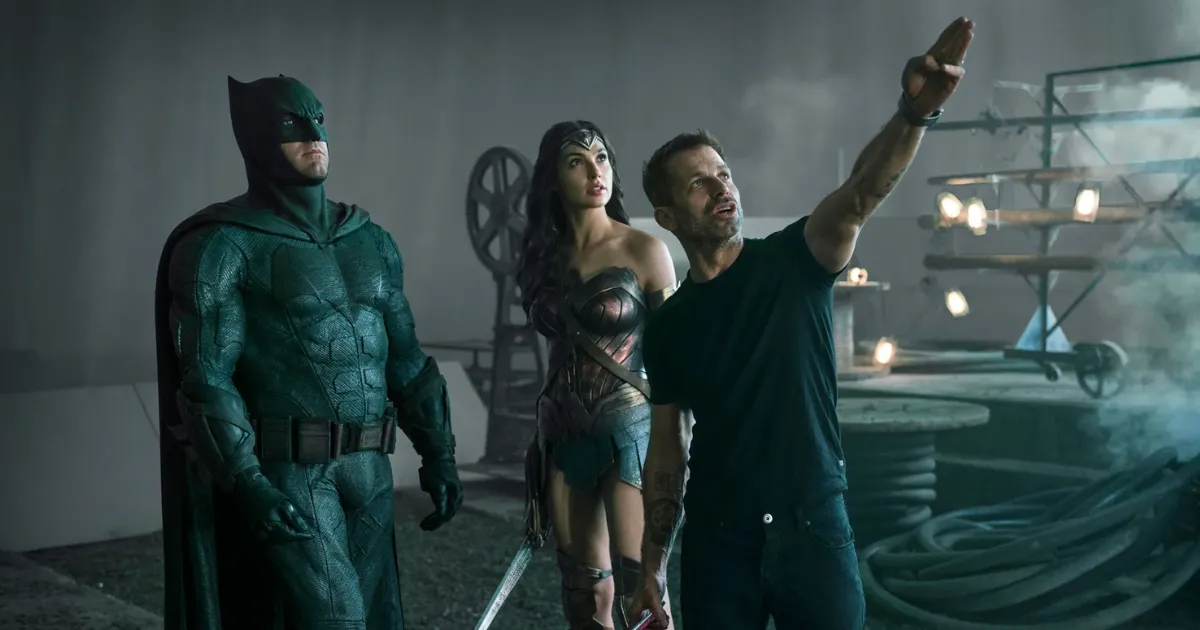
Zack Snyder’s Justice League wasn’t just a superhero film. It became a cultural moment, a symbol of fan power, creative vision, and the emotional bond between filmmakers and audiences.
Years later, its story still resonates.
The Chaos Behind Justice League
In 2017, the theatrical version of Justice League arrived with massive expectations. DC fans expected an epic team‑up of Batman, Superman, Wonder Woman, Aquaman, Cyborg, and The Flash.
Instead, they got a confusing, rushed film.
Behind the scenes, director Zack Snyder had stepped away during production following a personal family tragedy. Warner Bros. brought in Joss Whedon to complete the film, leading to extensive reshoots and a dramatic shift in tone.
The result felt disjointed.
Fans noticed immediately.
The Birth of the #ReleaseTheSnyderCut Movement
What happened next was unprecedented.
Fans across Reddit, Twitter, and YouTube began campaigning for the original director’s version — the so‑called Snyder Cut. At first, many industry insiders dismissed the movement as unrealistic.
But it didn’t fade away.
Instead, it grew louder.
A Movement That Refused to Quit
Supporters organized:
Massive social media campaigns
Billboard ads in Times Square
Fundraisers for suicide prevention charities
Actors from the cast, including Ben Affleck and Gal Gadot, also publicly supported the movement.
By 2020, the pressure had become impossible to ignore.
Warner Bros. finally announced the unthinkable: Zack Snyder’s Justice League would be completed and released on HBO Max.
A Completely Different Film
When the Snyder Cut finally premiered in March 2021, it wasn’t just a longer version of the same movie.
It was almost an entirely new experience.
The film expanded to four hours, restoring Snyder’s darker tone and deeper character arcs.
Major Differences Fans Noticed
Cyborg became the emotional center of the story
The villain Steppenwolf received a redesigned look and clearer motivation
Darkseid, a major DC villain, was introduced properly
The team’s journey felt more epic and cohesive
Even critics who disliked Snyder’s style admitted the new version was far more coherent than the 2017 release.
Why Zack Snyder’s Vision Connected With Fans
Snyder’s approach to DC heroes is mythic and operatic. His films lean into themes of sacrifice, destiny, and moral conflict.
For fans who grew up with darker comic storylines, this tone felt authentic.
But beyond style, the film also carried emotional weight.
Knowing the personal tragedy Snyder experienced during production gave the movie a deeper layer of meaning. Many viewers saw the film as a tribute to perseverance and artistic integrity.
Why This Matters Now
The story of Zack Snyder’s Justice League changed Hollywood in subtle but lasting ways.
Studios saw the power of online communities in shaping media decisions. Streaming platforms realized long‑form storytelling could thrive outside traditional theater constraints.
Most importantly, it proved that audiences care deeply about creative authenticity.
The Snyder Cut became a rare moment where fan passion and artistic vision aligned — something that almost never happens in blockbuster filmmaking.
A Legacy Bigger Than the Film
Today, debates about Snyder’s DC universe still spark across social media.
Some fans continue to hope for the restoration of Snyder’s original multi‑film arc. Others see the movie as a one‑of‑a‑kind victory that may never happen again.
Either way, Zack Snyder’s Justice League left a lasting mark.
Not because it was perfect.
But because it proved that sometimes, when millions of voices refuse to give up, even Hollywood has to listen.