Introduction: The Significance of This Question in the Present
Every year, the query “why is Columbus Day no longer celebrated” comes up more often in search results, in classrooms, in workplaces, and in public discourse. Columbus Day, which commemorates Christopher Columbus’ landing in the Americas in 1492, was a national holiday in the US for many years. But in recent years, Indigenous Peoples Day has either taken the place of the celebration or many states, cities, schools, and organizations have ceased to observe it.
Join my telegram channel Celebrities-Realm:
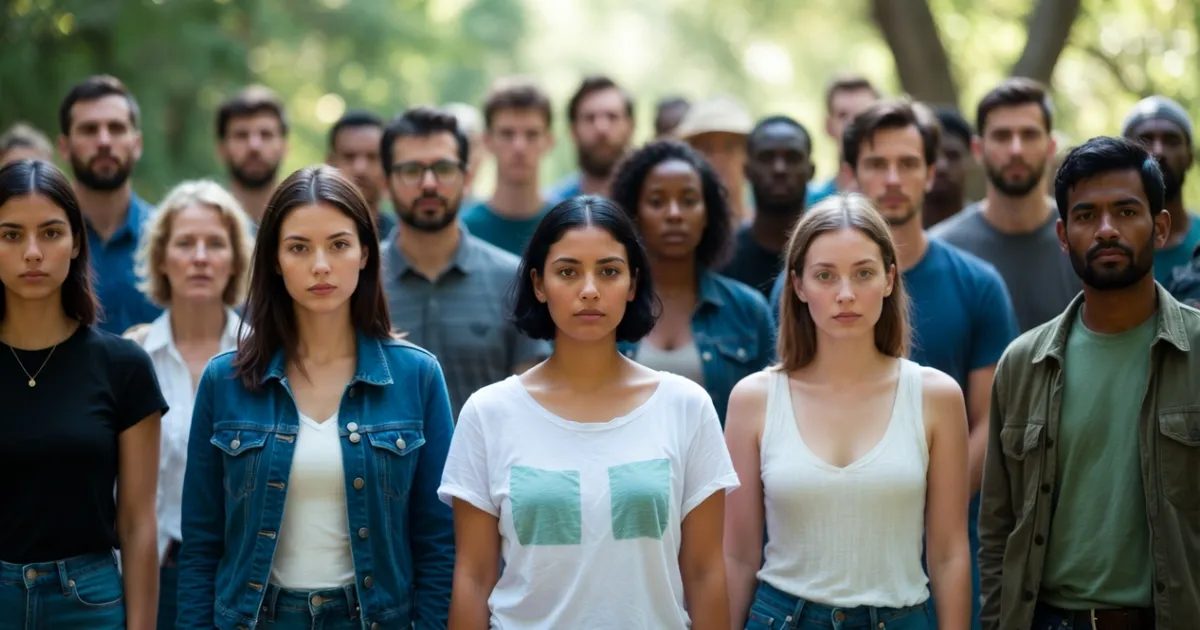
This shift was not brought about by a single political event or decision, nor did it occur overnight. Rather, it represents a long-term reexamination of cultural values, historical narratives, and the ways in which societies decide to commemorate the past. Gaining insight into the reasons for the discontinuation of Columbus Day celebrations aids in the explanation of more significant changes in national identity, education, and public memory.
Written for novices and general readers, this essay offers a concise, fair, and fact-based explanation. It stays away from emotional framing, excessive statements, and conjecture. Rather, it concentrates on historical background, shifts in public policy, cultural viewpoints, and common contemporary concerns.
By the end, you’ll comprehend:
The original meaning of Columbus Day
Why it became contentious
What took its place in numerous places
The ways in which various cultures perceive the change
Is the holiday still observed today?
What Is Columbus Day? A Brief Synopsis
Columbus Day’s Initial Objective
Columbus Day was created to honor Christopher Columbus’ October 12, 1492, arrival in the Americas. The purpose of the festival was to honor European discovery and the continent’s historical ties to the New World.
Columbus Day also had cultural significance outside of history in the United States. As immigrant groups fought for acceptance and recognition in the late 19th and early 20th centuries, it became a significant emblem for Italian Americans.
Columbus Day Was Declared a Federal Holiday at What Time?
Local celebrations began in the late 1800s.
1937 saw federal recognition.
Since 1971, the second Monday in October has been the official federal holiday.
Columbus Day was widely recognized as a celebration of exploration, discovery, and immigrant pride for many years.
Why Do Many Places No Longer Celebrate Columbus Day?
A Change in Historical Perspective
A change in the way history is taught and interpreted is the main reason why many areas no longer observe Columbus Day. A more comprehensive picture of early European exploration and its long-term consequences is provided by contemporary historical research.
This more comprehensive viewpoint comprises:
Indigenous cultures existed long before 1492.
The effects of colonization on indigenous groups
The intricacy of Columbus’ historical involvement
Many educators and communities questioned whether Columbus Day truly reflected common ideals as historical education grew.
The Clear Explanation of the Columbus Day Controversy
Reassessing Historical Figures
Societies frequently reevaluate how they commemorate historical personalities over time. This method reexamines who is praised and why, rather than erasing history.
Regarding Columbus Day:
Early stories placed a strong emphasis on navigation and discovery.
Subsequent studies emphasized governance choices, regulations, and effects.
Scholarship and education raised public awareness.
Many communities reexamined the holiday’s meaning as a result of this reassessment.
The Reasons Behind the Shift in Public Opinion
It took time for public opinion to shift. Among the factors were:
expanded courses in history
Greater awareness of Indigenous viewpoints
Increased focus on inclusive representation
As a result, some communities came to the conclusion that Columbus Day was no longer consistent with contemporary ideals of inclusion, justice, and accuracy.
Columbus Day Was Replaced by What?
An Explanation of Indigenous Peoples Day
Indigenous Peoples Day took the role of Columbus Day in numerous states and localities. The goal of this commemoration is to honor Indigenous communities’ cultures, histories, and accomplishments.
Important objectives consist of:
Recognizing earlier civilizations
Encouraging historical accuracy
Promoting cultural awareness and education
Crucially, historical events are not denied on Indigenous Peoples Day. Rather, it turns attention to people who were in the Americas long before European settlers arrived.
Where People Celebrate Indigenous Peoples Day
Numerous American counties and cities
A number of states
Many colleges and universities
This shift isn’t universal, though.
Does the United States Still Observe Columbus Day as a Holiday?
Local Versus Federal Observance
Indeed, Columbus Day is still observed as a federal holiday in the US. This implies:
Federal offices might shut down.
It is observed by certain banks and institutions.
It is still listed on federal calendars.
States and communities, however, are free to decide how and whether to observe it.
Reasons for Variations in Observance
Local authorities are in charge of:
Holidays in the state
Calendars for schools
City accolades
Therefore, Columbus Day might be:
Completely observed
Renamed
Completely ignored
based on the place.
Did Columbus Arrive in America First?
A Typical Historical Misconception
No, Christopher Columbus did not arrive in the Americas first.
Important details:
For thousands of years, indigenous peoples inhabited the Americas.
Around 1000 CE, Norse explorers arrived in North America.
Columbus’s explorations established a lasting link between Europe and the Americas.
This explanation contributes to the current doubts about the holiday’s original story.
In Reality, What Did Christopher Columbus Do?
An Equitable Overview of History
Christopher Columbus
Oversaw many transatlantic expeditions
established long-term communication between the Americas and Europe
Caribbean governed territories
Columbus is no longer seen by historians as a straightforward hero or villain, but rather as a complicated historical character. The reevaluation of Columbus Day is aided by this broader knowledge.
Columbus Day and Indigenous Peoples Day Comparison Table
A Feature Description: Advantageous Example
European expedition with a historical focusidentifies the history of global navigationColumbus’s expedition in 1492
Emphasis on Culture and Immigrant IdentityEmphasizes diversityItalian American ancestry
A Different FocusNative American historyAll-inclusive representationDay of Indigenous Peoples
Value of EducationConventional narrativeIncreased historical precisionRevised curricula in schools
Current SignificanceDebate that is symbolicChanges in city holidays reflect changing ideals
Non-Controversial Statistics and Trends
Indigenous Peoples Day is presently observed in some capacity in more than 40% of major American cities.
More than fifteen states have alternate observances.
Over the past ten years, searches for “why is Columbus Day no longer celebrated” have progressively climbed.
Indigenous history is becoming a more common component of school curricula.
These patterns are indicative of more general shifts in education and public understanding.
Benefits and Drawbacks of Terminating Columbus Day Celebrations
Benefits
promotes historical authenticity
incorporates Indigenous viewpoints
conforms to contemporary educational norms
lessens narratives that are too simplistic
Drawbacks
Certain communities experience a loss of culture.
Uncertainty on the status of the holiday
Opposition to altering ingrained customs
There are still both points of view, and polite conversation is still crucial.
The Cultural Significance of Columbus Day and the Attitudes of Italian Americans
Columbus Day represented the following to many Italian Americans:
Acknowledgment during discriminatory times
Visibility and pride in culture
Identity of the community
While some Italian American organizations favor maintaining the festival, others favor more widespread acknowledgment without particularly citing Columbus.
Does History Get Erased When Columbus Day Is Replaced?
An Answer to a Frequently Asked Question
No, history is not erased by substituting Columbus Day.
Rather:
Schools continue to teach history.
Columbus is still covered in literature and museums.
A more inclusive public memory
The alteration impacts remembrance rather than historical facts.
In the USA, Are Banks Closed on Columbus Day?
A few banks shut down
Others are still open.
The institution determines this.
Many financial businesses change their timetables since Columbus Day is a federal holiday.
Is America’s Columbus Day Off?
Federal workers: Generally, yes
Private sector: Employer-dependent
Schools: District-specific
Check local calendars at all times.
Future Trends: The Development of This Holiday Debate
In the future:
More emphasis on Indigenous history in the classroom
Persistent modifications at the local level
Continuous discussion as opposed to standard decisions
Columbus Day’s future is still open-ended and community-driven.
SEO Suggestions for Internal Linking
The history of federal holidays in the United States
What does Indigenous Peoples Day mean?
How holidays change throughout time
Cultural awareness in the classroom
Topics for External Resources (SEO-Safe)
Holiday archives at the Library of Congress
Educational resources from the National Museum
Departments of history at universities
Popular FAQs (Friendly to Schemas)
Why is Columbus Day no longer observed as a holiday?
Although Columbus Day is still a federal holiday, Indigenous Peoples Day has taken its place in many states and communities.
What took Columbus Day’s place?
To honor Indigenous history and culture, Indigenous Peoples Day took the place of Columbus Day in many places.
Why was Christopher Columbus’s name changed?
They altered the holiday’s meaning and framing, but they did not alter his name.
What are the opinions of Italian Americans regarding Columbus Day?
Views differ. While some advocate for more extensive forms of acknowledgment, others cherish its cultural relevance.
What was the issue with Columbus Day?
Opponents claim it ignored Indigenous experiences and oversimplified history.
Does history get lost when Columbus Day is replaced?
No, the only thing that changes is the way that history is taught in public.
In reality, what did Christopher Columbus accomplish?
He oversaw European expeditions that established a lasting link between Europe and the Americas.
In the USA, are banks closed on Columbus Day?
Depending on the policies of the institution, some are.
In America, is Columbus Day a holiday?
Federal, state, and employer choices all play a role.
Did Columbus arrive in America first?
No, the Americas were inhabited by indigenous peoples long before Columbus.
Conclusion: A Clear Understanding of the Change
Why, then, are many localities no longer celebrating Columbus Day? The solution is found in expanding education, shifting cultural attitudes, and growing historical understanding. Although Columbus Day is still observed on a federal level, there are many different interpretations of its significance.
This change promotes greater comprehension, inclusivity, and accuracy rather than deleting the past. Societies can respect the past while making deliberate decisions about the future if they are aware of the whole tale.
Gaining insight into this shift aids in our comprehension of the ongoing evolution of public memory, culture, and history—all of which are interconnected.