

The Dream That Crumbled Overnight
In a matter of hours, a star-studded lineup meant to celebrate America’s milestone turned into one of the most awkward public meltdowns in recent music history. Freedom 250, the ambitious initiative honoring the nation’s 250th anniversary, unveiled its “Great American State Fair” performers on the National Mall — only for nearly all of them to start backing out.

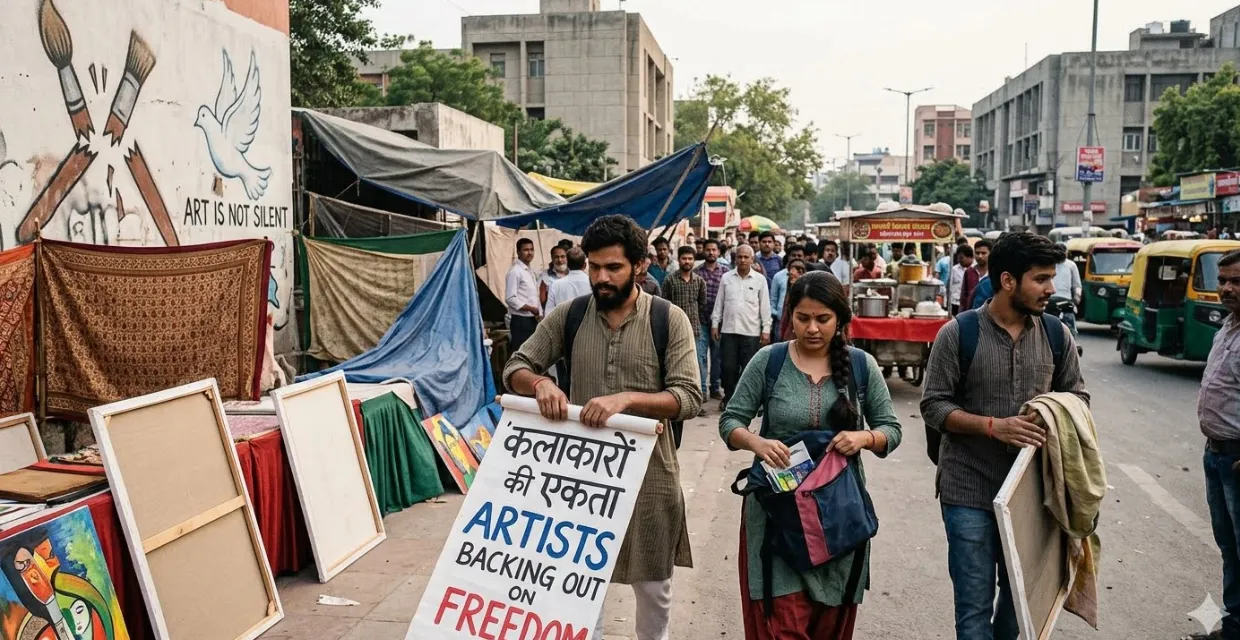
What started as a patriotic party quickly became a cautionary tale about mixing music, politics, and assumptions.
What Was Freedom 250 Supposed to Be?
Freedom 250 positioned itself as a nonpartisan celebration of American freedom, independence, and unity. The Great American State Fair, scheduled for June 25 to July 10 on the National Mall in Washington, D.C., promised carnival rides, state pavilions, family activities, and nights filled with live music from beloved artists spanning decades.
The initial announcement featured a nostalgic 90s-heavy lineup: Martina McBride, Morris Day and The Time, Young MC, The Commodores, C+C Music Factory, Vanilla Ice, Milli Vanilli’s Fab Morvan, Flo Rida, and Bret Michaels. It felt like a throwback dream for millions of Americans.
Then reality hit.
The Mass Exodus: Who Backed Out and Why
The withdrawals came fast and loud:
- Morris Day and The Time were among the first, bluntly stating it was “a no for me” and calling involvement a rumor.
- Young MC (“Bust a Move”) publicly informed his agents he would not perform, noting artists were never told about political involvement and calling the event “politically charged.”
- Martina McBride shared that she was assured it was nonpartisan, but “what we were told is, in fact, not what is happening.”
- The Commodores, Bret Michaels, and others followed, citing concerns over misleading descriptions, safety threats, or unwanted political ties.
As of today, only a handful like Vanilla Ice and Flo Rida appear to remain committed, while others remain uncertain. The rapid domino effect left organizers scrambling.
Why Artists Are Saying “No Thanks”
Many performers emphasized they were pitched a unifying, nonpartisan event celebrating America — not a politically aligned spectacle. When media coverage highlighted strong Trump administration connections and the nonprofit’s origins, several felt blindsided.
For artists, especially those with diverse fanbases, association matters. In today’s hyper-polarized climate, one wrong bill can alienate loyal supporters overnight. Some cited safety concerns and threats pouring in. Others simply wanted no part of controversy during what should be a joyful national milestone.
This isn’t the first time politics and entertainment have clashed, but the speed and scale here feel uniquely dramatic.
The Deeper Story: Patriotism in a Divided Era
America’s 250th anniversary should be a moment that brings people together. Semiquincentennial celebrations are rare — this is a once-in-a-lifetime chance to reflect on 250 years of resilience, innovation, and the pursuit of liberty.
Yet the Freedom 250 artist exodus shines a harsh light on how fractured we’ve become. When even a birthday party becomes radioactive, it says more about our current divisions than about any single event or artist.
Organizers maintain the fair aims to “uplift and unite America,” showcasing all 56 states and territories. Supporters argue that rejecting participation because of perceived political leanings undermines the very spirit of national celebration. Critics counter that transparency from the start could have prevented this embarrassment.
Why This Matters Now
As July 4, 2026 approaches, these pullouts force a bigger conversation: Can we still celebrate our shared history without it becoming another battlefield in the culture wars? Or have we reached a point where even fireworks and fair rides carry partisan weight?
The artists backing out of Freedom 250 aren’t just protecting their brands — they’re reflecting a broader exhaustion many feel with politicized everything. At the same time, those willing to perform may represent a willingness to prioritize country over controversy.
A Reflection Worth Holding Onto
The empty stage slots at the Great American State Fair hurt, not because we lost specific acts, but because they symbolize missed opportunities for joy and unity. America has survived far worse than a botched lineup announcement. Our 250th should remind us of what unites us: freedom to speak, create, disagree, and still come together under one flag.
Whether this event recovers or becomes a footnote, one hope remains — that in the end, the celebration of America’s enduring spirit proves bigger than any single controversy, any political label, or any withdrawn performer.
What do you think? Can music still bridge our divides on big national milestones, or has that dream faded too? Share your thoughts — this story is far from over.