

Introduction
Science fiction television has always captured our imagination—transporting us to new galaxies, questioning what it means to be human, and exploring the potential of technology and time. The best sci‑fi TV shows don’t just entertain; they inspire curiosity, creativity, and reflection about where our world is headed. This article dives into the top shows, explains why they stand out, and offers helpful comparisons, stats, and expert viewing advice.

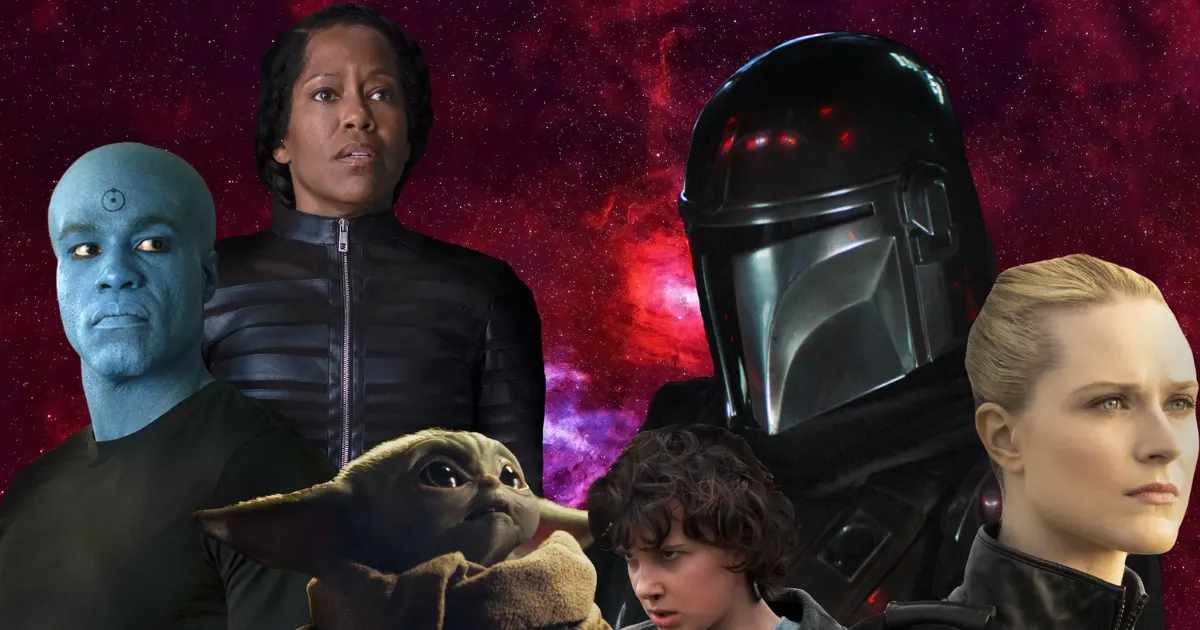
What Makes a Sci‑Fi Show Truly “Best”?
A great sci‑fi show balances creative world‑building with emotional storytelling. It’s not enough to have spaceships or robots—the best entries in the genre blend complex ideas with relatable human drama.
-
Originality: Fresh, daring ideas that push boundaries
-
World‑building: Immersive settings governed by clear internal logic
-
Character depth: Protagonists with meaningful growth
-
Cultural influence: Shows that shape how we imagine the future
-
Replay value: Layers that keep fans coming back
Top Sci‑Fi TV Shows You Shouldn’t Miss
Classic Breakthroughs
-
Star Trek (1966‑) — Set the blueprint for intelligent, socially conscious space adventure.
-
The Twilight Zone (1959‑) — A groundbreaking anthology mixing morality tales and speculative fiction.
-
The X‑Files (1993‑) — Merged paranormal mystery with hard‑hitting human themes.
Space Opera and Galactic Epics
-
Star Trek: The Next Generation — Diplomacy, discovery, and diversity across the final frontier.
-
Battlestar Galactica (2004) — A poignant re‑imagining exploring survival, faith, and identity.
-
The Expanse — Hard science meets political drama in a beautifully realized solar system.
Near‑Future Techno‑Thrillers
-
Black Mirror — Anthology stories warning of technology’s dark side.
-
Westworld — Blends AI, consciousness, and morality in a surreal park setting.
-
Mr. Robot — Cyber‑revolution meets fragile psychology and corporate control.
AI, Cyberpunk, and Post‑Human Ideas
-
Altered Carbon — Immortality, wealth gaps, and body swapping.
-
Humans — Domestic androids raising questions about personhood.
-
Foundation (Apple TV+) — Grand galactic saga balancing logic and chaos.
International and Innovative Formats
-
Dark (Germany) — Masterclass in time travel with intricate emotional weight.
-
The OA — Spiritual sci‑fi blending mystery and metaphysics.
-
3% (Brazil) — Dystopian survival contest with class commentary.
Feature Comparison Table
| Feature | Description | Benefit | Example |
|---|---|---|---|
| Genre Breadth | Range from hard sci‑fi to space opera | Choose a tone you enjoy | The Expanse, Star Trek |
| World‑Building Depth | Logical, rule‑based universes | Strong immersion | Black Mirror |
| Character Focus | Emotional and moral growth | Relatable drama | Battlestar Galactica |
| Production Quality | Cinematic visuals & sound | Stunning experience | Foundation |
| Accessibility | Episodic vs. serialized | Easy for newcomers | The Twilight Zone |
| Adaptability | Originals vs. adaptations | Fresh takes & fidelity | Dark, The Expanse |
| Rewatch Value | Multi‑layered narratives | Discover new details | Westworld |
| Availability | Streaming reach | Convenient access | Netflix, Prime Video |
Statistics and Viewer Trends
Recent industry data show just how dominant sci‑fi has become in streaming entertainment:
-
Streaming Adoption: Over 75% of households worldwide subscribe to at least one streaming platform.
-
Genre Popularity: Sci‑fi ranks among the top 3 most‑watched genres globally.
-
Production Growth: Budgets for high‑concept series grew by 40% from 2020 to 2025.
-
Diversity: Non‑English‑language sci‑fi titles now attract 1 in 5 viewers internationally.
-
Viewer Preferences: Fans report highest satisfaction with shows combining “complex ideas” + “strong characters.”
How to Choose the Right Sci‑Fi Show
-
Identify your subgenre: space adventure, dystopian, cyberpunk, or AI‑driven.
-
Decide your watch style: serialized plot or standalone episodes.
-
Check pacing preferences: slow world‑building vs. rapid twists.
-
Explore reviews: favor credible, balanced outlets.
-
Try recommendations: curated lists often reveal hidden gems.
Pros and Cons of Sci‑Fi TV
Pros
-
Expands imagination and curiosity.
-
Inspires debate on future ethics and tech.
-
Combines entertainment with thought‑provoking ideas.
-
Offers worlds rich in detail and metaphor.
Cons
-
Complex plots may confuse casual viewers.
-
Quality varies between seasons.
-
Requires some patience for payoff.
-
Heavy jargon can feel dense to beginners.
Trending FAQs
What is the best sci‑fi TV show right now?
It depends on taste—The Expanse excels in realism, while Black Mirror shines in invention.
How do sci‑fi shows build believable worlds?
Writers set physical and social rules early and reveal exceptions through dialogue and action.
Are sci‑fi shows more about science or emotion?
The best mix both—big ideas anchored by human stories.
What are common beginner mistakes?
Skipping world details, misunderstanding timelines, or binging too fast without reflection.
Do all sci‑fi shows require technical knowledge?
Not at all; most explain complex ideas clearly through character POVs.
What are top standalone episodes?
Try “San Junipero” (Black Mirror) or classic Twilight Zone morality tales.
Will sci‑fi trends change soon?
Expect more AI‑assisted writing, cross‑cultural storytelling, and shorter event‑series formats.
Where can I watch these shows?
Mostly on popular streamers: Netflix, Prime Video, Apple TV+, and Paramount+.
Conclusion
The world of sci‑fi television is vast, diverse, and endlessly inspiring. From philosophical anthologies to jaw‑dropping galactic epics, each series expands our viewpoint and challenges imagination. Whether you prefer hard science, high adventure, or human emotion against future backdrops, you’ll find something unforgettable among today’s best sci‑fi TV shows.
Explore freely—your next favorite world may just be a click away.