

A broken chair tied with rope.
A plastic bottle turned into a drip irrigation tool.
An old motorbike engine powering a farm machine.

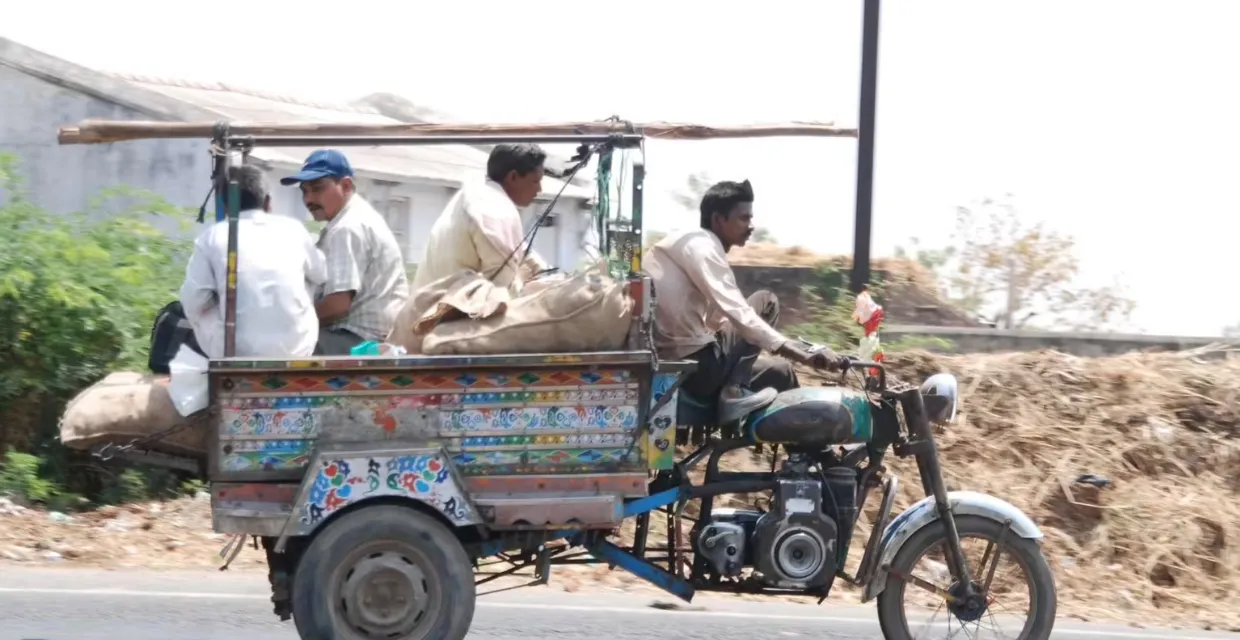
This is jugaad — India’s most familiar word for finding a way when resources are limited, time is short, and failure is not an option.
For many people, jugaad looks like a temporary fix. But for millions of Indians, it is much more than that. It is creativity under pressure. It is survival with a smile. It is the art of saying, “Something will work out,” and then actually making it work.
What Is Jugaad?
Jugaad is a Hindi word often used for an improvised solution. It means solving a problem with whatever is available.
But the true meaning goes deeper.
Jugaad is not just about saving money. It is about mindset. It is about using intelligence, observation, and courage when perfect tools are not available.
In India, jugaad can be seen everywhere — in villages, city streets, small shops, farms, homes, and even startups. From repairing machines with local materials to creating low-cost business ideas, jugaad has become a part of everyday life.
Why Jugaad Feels So Indian
India is a country where people often learn to do more with less. Limited budgets, crowded spaces, unpredictable systems, and daily challenges have shaped a culture of quick thinking.
That is why jugaad feels emotional.
It reminds people of their childhood homes, family struggles, street-side mechanics, hardworking farmers, and small business owners who never gave up.
A father fixing a fan at midnight.
A mother reusing containers to organize the kitchen.
A student building a project with cardboard and spare wires.
These are not just hacks. They are stories of resilience.
Jugaad and Innovation: Is There a Difference?
Modern innovation often sounds expensive. It brings images of labs, investors, technology, and big companies.
Jugaad is different.
It begins with a problem, not a budget. It asks a simple question: “What can we do with what we already have?”
This is why many experts connect jugaad with frugal innovation. Frugal innovation focuses on creating affordable, practical, and accessible solutions for real people.
The biggest strength of jugaad is speed. It does not wait for perfect conditions. It moves fast, tests fast, and improves through experience.
The Good Side of Jugaad
Jugaad can be powerful when used responsibly.
It helps people solve urgent problems. It supports small businesses. It encourages creativity among people who may not have access to expensive tools or formal training.
In rural areas, farmers often use jugaad to modify machines for local needs. In cities, small vendors use it to manage space, transport goods, and serve customers efficiently.
Startups also use a form of jugaad when they build simple versions of products before investing heavily.
At its best, jugaad is practical, affordable, and deeply human.
The Risk: When Jugaad Becomes Careless
However, jugaad is not always good.
A quick fix can become dangerous if it ignores safety, quality, or long-term impact. Electrical shortcuts, unsafe vehicle modifications, and weak construction fixes can put lives at risk.
That is why jugaad needs responsibility.
The goal should not be to avoid proper systems forever. The goal should be to create smart, safe, low-cost solutions that can be improved and scaled.
Jugaad should inspire innovation, not replace safety.
Why This Matters Now
Today, the world is talking about sustainability, affordability, and smart use of resources. In that conversation, jugaad feels more relevant than ever.
People want solutions that are not only advanced but also accessible. They want products that solve real problems without becoming too expensive.
This is where the Indian jugaad mindset has global value.
It teaches the world that innovation does not always begin in a luxury office. Sometimes, it begins in a small workshop, a village farm, a crowded home, or the mind of someone who simply refuses to give up.
Jugaad Is Not a Weakness — It Is a Signal
For years, some people treated jugaad as a symbol of poor planning. But that view is incomplete.
Jugaad is actually a signal of adaptability. It shows how people respond when life does not give them perfect conditions.
Of course, India needs stronger systems, better infrastructure, and safer solutions. But it should not lose the creative spark that makes jugaad so special.
The future belongs to those who can combine jugaad with quality, safety, and technology.
The Takeaway
Jugaad is not just a shortcut. It is a story.
It is the story of people who turn scarcity into strength. It is the story of hands that repair, minds that imagine, and hearts that refuse to stop trying.
In a world chasing big innovations, jugaad reminds us of something simple and powerful:
Sometimes, the best ideas are born not from having everything — but from making something out of almost nothing.