

The news hit like a sudden silence after a favorite song ends.
Veteran actress Madhu Malhotra has passed away at 72, yet for millions, she still lives in grainy film frames and half-remembered dialogues.

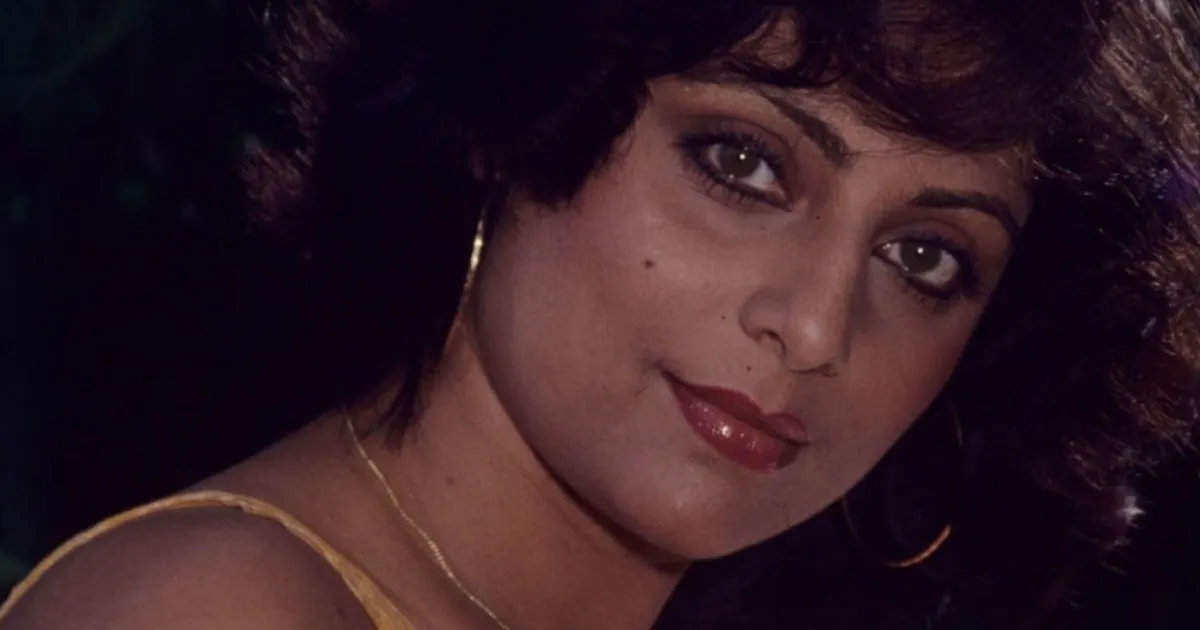
For those who grew up with Hindi cinema of the 70s, 80s and 90s, her name is more than a credit line.
It is a feeling—of Sunday TV premieres, family gatherings, and a Bollywood that felt smaller, warmer, and somehow closer.
From Character Roles To Cult Memory
Madhu Malhotra was never the loudest person in the frame.
She was often the sister, the friend, the dignified mother, or the woman holding the emotional center of a scene together while bigger stars took the spotlight.
Her appearances in films like “Karz,” “Satte Pe Satta,” and later “Ghulam” placed her in some of Bollywood’s most rewatched titles of their eras.
You might not have gone to the theater for her, but you almost always left remembering her eyes, her controlled anger, or the way she delivered a single line that stayed with you.
This is the strange power of what we call “supporting” actors—they quietly carry the weight of the story’s realism.
Madhu Malhotra did this repeatedly, film after film, without demanding the applause she clearly earned.
The Woman Behind The Familiar Face
Off-screen, Madhu’s life was not the glossy fairy tale fans often imagine for film stars.
She navigated personal challenges, including family struggles and the pressures of sustaining a career in an industry that can forget you the moment you step away from the arc lights.
Yet colleagues and fans consistently describe her with the same words: graceful, professional, warm.
On sets crowded with egos and tension, she had a reputation for showing up prepared, respecting everyone from spot boys to directors, and delivering her scenes without fuss.
In many ways, she embodied the older Bollywood work ethic—turn up, do your job, let the work speak.
No social media, no engineered controversies, just performance.
Why Her Work Still Feels So Real
What made Madhu Malhotra’s roles feel unforgettable, even when they were small?
Part of the answer lies in her emotional precision: she rarely overacted, even in an era famous for melodrama.
Her characters often stood at the moral crossroads of the story—the one person who quietly questioned the hero, or the relative who sensed danger before anyone else did.
She played women who were flawed but grounded, vulnerable yet resilient, and she did it without turning them into caricatures.
In today’s age of streaming and rewatches, her scenes are being rediscovered by younger viewers who never saw these films on their first release.
They see a style of acting that feels surprisingly modern: controlled, layered, and deeply human.
Why This Matters Now
In 2026, Bollywood is dominated by franchises, massive budgets, and streaming deals.
It’s easy to forget the generation of actors who built the emotional language that today’s films still rely on.
Madhu Malhotra’s passing is not just the loss of a veteran actress—it is a reminder of how fragile cultural memory can be.
If we don’t talk about these artists, write about them, and reintroduce them to new audiences, their contributions risk fading into trivia questions and footnotes.
For creators and cinephiles, her journey underlines three truths that still matter today:
-
Longevity comes from craft, not hype.
-
“Supporting” roles often carry the soul of the story.
-
Real impact is measured not in awards shelves, but in how many hearts quietly remember you.
The Timeless Comfort Of Rewatching Her
Somewhere tonight, a family will play an old Bollywood movie, maybe just as background noise.
A familiar face will appear—Madhu Malhotra, in a sari, in a simple set, delivering a line with that mix of firmness and affection only she had.
Someone will say, “I’ve seen her before… what was her name?”
That moment of recognition is its own kind of immortality.
If you grew up watching her films, maybe it’s time to revisit one—not as a casual viewer, but as someone honoring an artist who helped shape your idea of what Hindi cinema feels like.
And if you’ve never noticed her before, watch closely next time. You’ll see how much of the story she’s holding together, quietly, from the sidelines.
In an industry that often forgets its own, remembering Madhu Malhotra is more than nostalgia.
It is an act of gratitude—for all the scenes she steadied, all the emotions she made believable, and all the stories that would have felt emptier without her.