

The Unstoppable Rise of Rohit Sharma
There are cricketers who win matches, and then there are cricketers who redefine the game itself.
Rohit Sharma belongs to the second category.

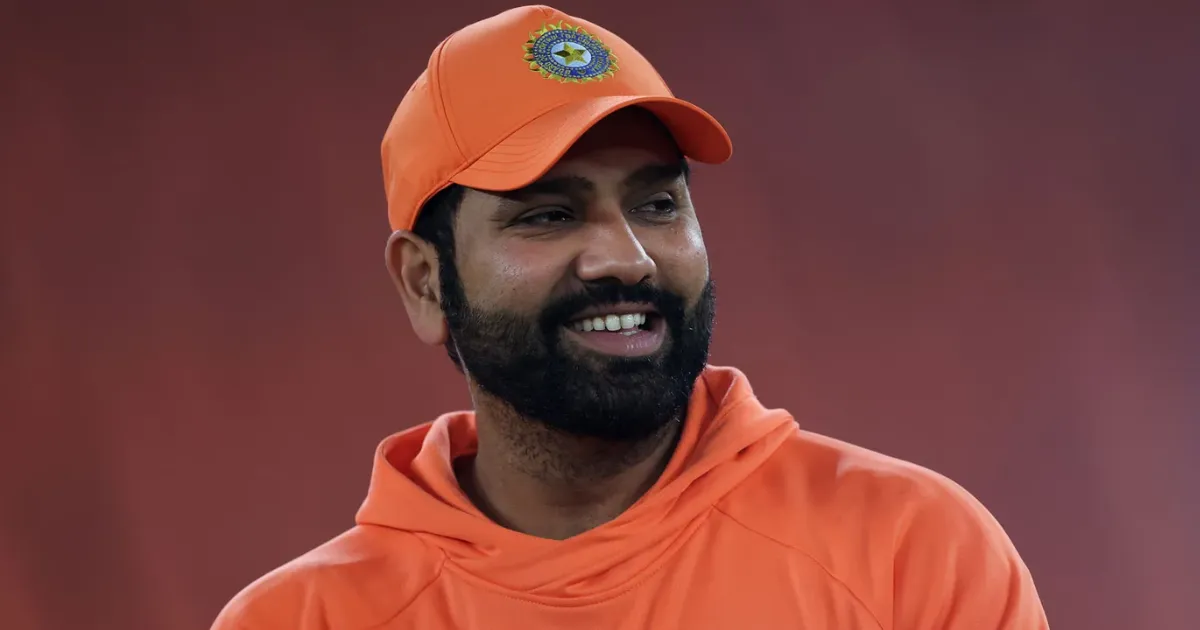
Calm, elegant, and almost effortless at the crease, Rohit has transformed from a talented youngster into one of the most respected leaders in modern cricket. His story isn’t just about records—it’s about patience, resilience, and evolution.
From Humble Beginnings to Cricket Royalty
Before stadiums roared his name, Rohit Sharma was a young boy in Mumbai chasing a dream with limited resources but unlimited passion.
He began his cricket journey as an off-spinner before coaches noticed something extraordinary—his natural ability with the bat. That discovery changed everything.
Soon, Rohit began climbing the ranks of Indian cricket. His debut for the India national cricket team in 2007 hinted at promise, but greatness would take time.
And Rohit Sharma took that time.
The Transformation That Changed Everything
For years, Rohit was considered talented but inconsistent. Critics wondered if he would ever unlock his full potential.
Then came a defining moment in 2013.
Promoted to open the batting in One Day Internationals, Rohit Sharma unleashed a new version of himself—fearless, composed, and devastating.
The result? History.
He became the only player to score three double centuries in ODIs, including his breathtaking 264-run innings against Sri Lanka national cricket team—the highest individual score in ODI history.
Suddenly, Rohit wasn’t just a good player.
He was a phenomenon.
The Captain Who Leads With Calm
Leadership in cricket can be intense, emotional, and overwhelming. Yet Rohit Sharma leads differently.
As captain of Mumbai Indians in the Indian Premier League, he guided the franchise to multiple championship titles, becoming one of the most successful captains in IPL history.
His style is quiet but strategic.
He trusts players, reads situations brilliantly, and rarely lets pressure control his decisions.
When he eventually took over leadership roles for the India national cricket team, fans saw the same calm authority guiding the squad.
The Art of Rohit Sharma’s Batting
Watching Rohit Sharma bat is like watching poetry unfold.
Unlike aggressive hitters who rely purely on power, Rohit blends timing, elegance, and patience.
His pull shot is legendary.
His cover drive is effortless.
And once he settles at the crease, bowlers often look helpless.
What makes him unique is his ability to switch gears. He can start slow, build an innings, and then explode into a run-scoring storm that changes the game within minutes.
This rare balance between control and aggression defines his greatness.
Why Rohit Sharma Connects With Fans
Beyond records and trophies, Rohit Sharma resonates with fans for a deeper reason—he feels relatable.
He struggled early in his career.
He faced criticism.
He reinvented himself.
That journey mirrors the reality of many dreams in life: success rarely comes instantly.
Whether playing in packed stadiums or representing India on the world stage, Rohit carries a calm confidence that inspires millions of young cricketers.
Why This Matters Now
Cricket is evolving faster than ever—shorter formats, new strategies, and younger stars emerging every season.
Yet players like Rohit Sharma remind fans why the sport remains magical.
In an era obsessed with speed and instant success, Rohit represents something different: mastery built over time.
His leadership, experience, and tactical understanding are shaping the next generation of Indian cricket.
And as the global cricket landscape continues to shift, his presence remains a stabilizing force.
A Legacy Still Being Written
Many legends leave behind records.
Few leave behind inspiration.
Rohit Sharma has already etched his name among cricket’s elite, but his story is far from finished.
Every time he walks onto the field, there’s a quiet expectation in the air—something special might happen.
Because with Rohit Sharma, brilliance rarely arrives loudly.
It simply unfolds… one elegant stroke at a time.