

The Royal Family’s New Era: Duty, Drama, and the Future
The weight of a crown is measured not in gold, but in expectation. For centuries, the Royal Family has stood as a monument to continuity, a living tapestry of British history. But as the trumpets fade and the digital age roars on, the walls of the Palace are facing a question that tradition cannot answer: How does an ancient institution survive in a world that demands radical transparency?

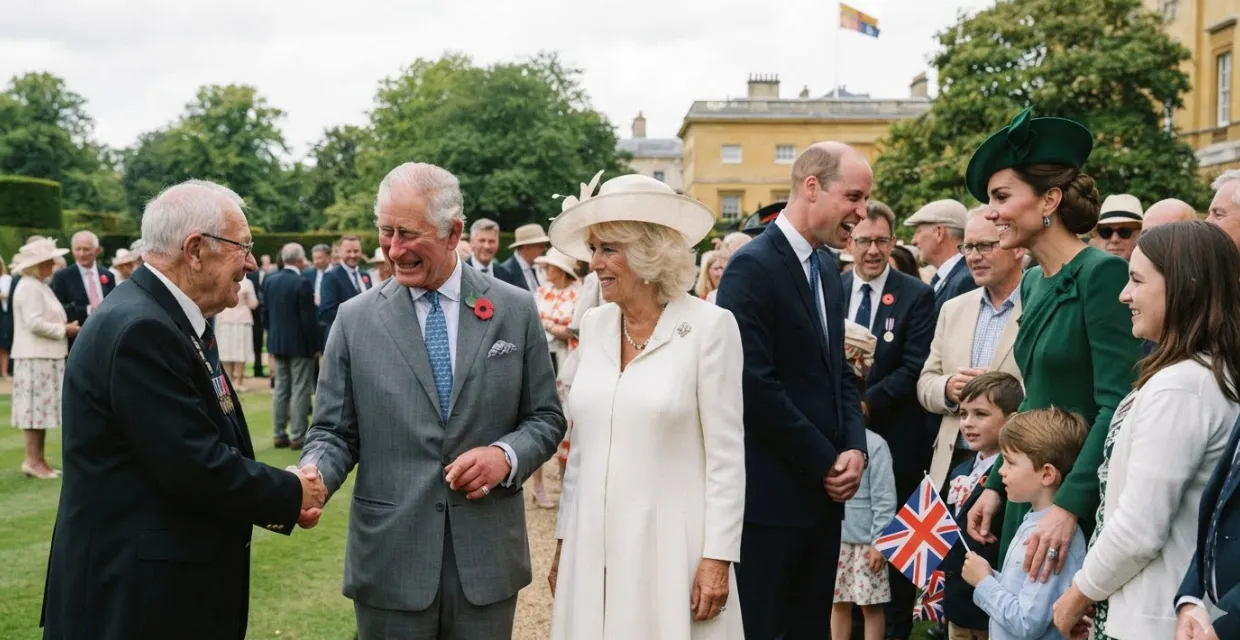
We are witnessing more than just a generational shift; we are watching the reinvention of the Crown itself.
The End of the “Never Complain” Era
For decades, the mantra of the monarchy was silence. The late Queen Elizabeth II embodied this stoicism, a figure of quiet resolve who viewed emotional restraint as the highest form of service. It was a code of conduct that worked for a post-war generation hungry for stability.
But the rules of engagement have changed.
The modern public doesn’t just want to see the wave from the balcony; they want to understand the hand that waves. They crave authenticity, vulnerability, and the messy reality of family life. This shift has forced the Palace to navigate uncharted waters, where privacy is scarce and the line between public duty and personal well-being is constantly blurred.
The “Spare” Effect: Vulnerability as Currency
Prince Harry’s memoir, Spare, was not just a book; it was a cultural detonation. Regardless of where one stands on the revelations, it shattered the illusion of a perfectly unified front. It opened a window into the psychological toll of being a “spare”—a role defined by proximity to power but devoid of agency.
This moment of radical vulnerability changed the conversation. It forced the world to see the royals not just as symbols, but as siblings, fathers, and sons grappling with grief and resentment. The emotional impact was undeniable, turning the monarchy into a global soap opera that dominates headlines and social feeds.
A Slimmed-Down Monarchy or a Stretched-Thin Future?
King Charles III has long advocated for a “slimmed-down” monarchy—a core team of working royals focused on efficiency and reducing the burden on the public purse. It is a modern business strategy applied to a feudal institution.
However, recent health battles within the family have exposed the fragility of this model. With key senior members stepping back due to illness or personal choice, the “Firm” is looking increasingly lean. The workload is heavy, and the faces on the Buckingham Palace balcony are fewer.
The Weight of the Crown
The pressure of being a modern royal is immense. It is a life of gilded cages, where every gesture is scrutinized and every mistake is immortalized online. The bravery shown by members of the family in discussing their health struggles has, paradoxically, humanized them in a way that decades of ribbon-cutting never could. It has bridged the gap between the sovereign and the subject, reminding us that beneath the titles, there is flesh and blood.
Why This Matters Now
We are living through a pivotal moment of transition. The reign of Queen Elizabeth II felt eternal; the reign of King Charles III feels transitional. The question of whether the monarchy remains relevant in the 21st century is no longer taboo—it is a mainstream debate.
The Royal Family is not just a tourist attraction; it is a mirror reflecting Britain’s struggle with its own identity. It grapples with questions of colonialism, race, privilege, and mental health on a global stage. Every misstep is a scandal; every success is a moment of national unity.
The Power of Soft Diplomacy
Despite the turmoil, the “soft power” of the Crown remains staggering. A state visit by a senior royal can open trade doors that politicians cannot. The “Kate effect”—where clothing sells out within hours of being worn by the Princess of Wales—demonstrates an economic influence that is the envy of any fashion conglomerate. The family remains a multi-billion-pound asset to the UK economy, a fact that complicates the republican argument.
The Final Takeaway
The monarchy is an anachronism that refuses to fade away. It survives not because of the laws that protect it, but because of the emotional connection it forges with the public. The story of the Royal Family is ultimately the story of every family: complex, contradictory, and bound by blood.
As we look to the future, the Crown must walk a tightrope between magic and modernity. To be too distant is to be irrelevant; to be too accessible is to lose the mystique that makes them royal in the first place.
In the end, the Royal Family endures because we need them to. We need the fairy tale, the continuity, and the sense that some things are built to last. They are the constants in a world that feels increasingly fleeting—a reminder that duty, despite its flaws, is a virtue worth holding onto.
FAQ Section
Is the Royal Family still relevant today?
Yes, despite ongoing debates about their funding and privileges, they remain highly relevant. They generate billions in tourism revenue, perform thousands of official engagements annually, and dominate global media cycles, proving their enduring cultural and economic significance.
What does “The Firm” mean?
“The Firm” is a colloquial term used by the Royal Family themselves to describe the “business” of the monarchy. It refers to the institution, the senior working royals, and the advisors who manage the family’s official duties and assets.
How has Prince Harry changed the Royal Family?
Prince Harry has forced the monarchy to confront mental health issues and the psychological burdens of royal life. His departure and subsequent interviews have accelerated the public conversation about the cost of duty and the need for modernization within the institution.
Who are the current working royals?
Following recent health issues and the departure of Prince Harry and Meghan Markle, the core working royals now primarily consist of King Charles III, Queen Camilla, the Prince and Princess of Wales (William and Kate), Princess Anne, and the Duke and Duchess of Edinburgh (Edward and Sophie).