

On a quiet summer evening in 1978, two young children went missing from outside their home in Delhi’s posh Safdarjung Enclave.

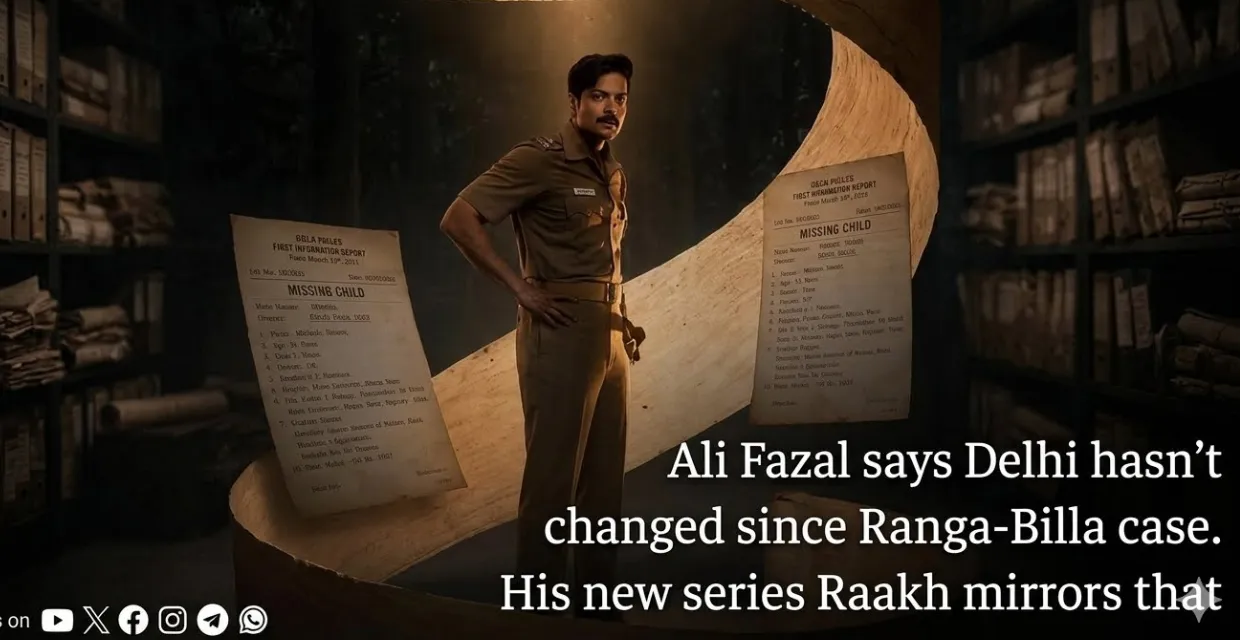
Their names were Geeta and Sanjay Chopra.
By morning, their bodies were found in a moving van. Stabbed. Strangled. Abandoned like trash.
India woke up angry. And that anger would rewrite the nation’s justice system forever.
The Crime That Shook India
Ranga and Billa — two young men in their twenties — weren’t professional criminals. They were dreamers of a twisted kind.
-
Ranga (Kuljeet Singh) was charming, flashy, and hungry for a luxurious life.
-
Billa (Jasbir Singh) was his loyal, ruthless shadow.
They kidnapped Geeta (16) and Sanjay (14) for ransom. But when Geeta resisted sexual assault, they killed both siblings in cold blood.
Their crime wasn’t just brutal. It was senseless.
Why This Case Became a National Obsession
In 1970s India, crimes against children were rarely front-page news. But this time, something broke.
“If our children aren’t safe in their own colony, where are we headed as a nation?”
— Common sentiment echoed across Delhi newspapers
For the first time, thousands of ordinary citizens marched silently. Not for politics. For justice.
Emotional Trigger: The Mother’s Agony
Imagine waiting for your kids to return home. Then hearing their bodies were found in a stolen car.
Geeta and Sanjay’s mother, Avnish Chopra, didn’t scream on TV. She sat silently in court every single day.
That silence spoke louder than any protest.
The Trial That Changed Indian Law
The Ranga Billa case wasn’t just another murder trial. It became a legal landmark.
-
The court sentenced both to death by hanging.
-
Appeals reached the President, but public pressure was unstoppable.
-
On January 31, 1982, they were executed at Tihar Jail.
Why This Matters Now
Today, when you hear “fast-track courts” for heinous crimes — thank this case.
When you see “death penalty for child rape” debates — it began here.
The Ranga Billa case forced India to ask one hard question:
Should some crimes be so cruel that justice must be faster than politics?
The Dark Lesson We Forgot
We remember the horror. But do we remember the reason?
Ranga and Billa weren’t born monsters. They were failed by a system that ignored warning signs — petty theft, violence against women, and a glorification of easy money.
Justice was served. But prevention failed.
A Powerful Closing Reflection
Geeta and Sanjay never grew up. They never fell in love, never fought with their parents, never got to laugh at their own childhood photos.
Their only legacy? A country that finally said “enough.”
Every time a child is kidnapped today and rescued in hours — not weeks — it’s because two children died 46 years ago.
The Ranga Billa case isn’t just history. It’s a scar.
And scars remind us:
Justice isn’t revenge. Justice is remembering so it never happens again.