

Why Tony Dokoupil Risked Everything for One Question
One question. That’s all it took for Tony Dokoupil’s world to tilt on its axis.
On a late September morning in 2024, the CBS Mornings co-host sat across from acclaimed author Ta-Nehisi Coates. The conversation was supposed to be about a book. It became a referendum on truth, identity, and the soul of journalism—and Dokoupil hasn’t been the same since.

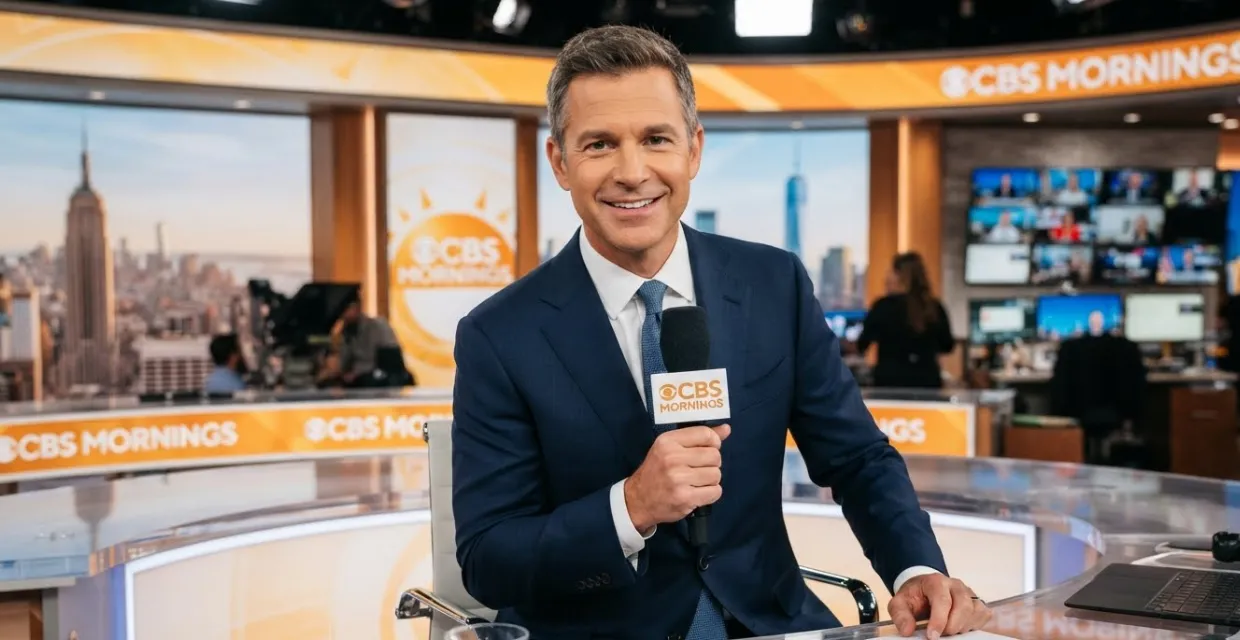
tony dokoupil
The Interview That Sparked a Firestorm
Coates was promoting The Message, a book that sharply criticizes Israel’s treatment of Palestinians. Dokoupil, a seasoned journalist with deep personal ties to the region, did something that made network executives flinch: he pushed back.
He asked why the book excluded Israeli voices. He questioned whether it erased the humanity of everyday Jewish families living under the shadow of rockets. His tone was calm but unflinching. For nearly seven minutes, he held the line—not as an activist, but as a reporter demanding intellectual consistency.
The reaction was seismic.
Inside CBS, a staff meeting convened. A senior executive called Dokoupil’s questions “unacceptable” and publicly reprimanded him for failing to meet editorial standards. The network’s Race and Culture unit got involved. To many journalists watching, it looked like a star anchor being punished for simply doing his job: asking a tough, necessary question.
A Journalist Torn Between Worlds
To understand why this moment cut so deep, you need to know who Tony Dokoupil really is.
He’s not just a morning-show host with perfect hair and an easy laugh. He’s a former war correspondent who reported from conflict zones. He’s a man who has been radically open about his past struggles with addiction and his path to sobriety. And he’s a Jewish father whose ex-wife and children live in Israel—meaning the subject of that interview wasn’t abstract for him. It was personal, urgent, and terrifyingly real.
When he sat down with Coates, Dokoupil wasn’t performing outrage. He was wrestling with a question that haunts modern journalism: Is it possible to be both impartial and human? Can you love people on both sides of a war and still tell the truth?
He chose to be honest. And it cost him.
The Backlash and the Courage to Stand Firm
What followed was a whirlwind of public debate, internal discipline, and quiet resilience. Dokoupil was ordered to meet with CBS’s Race and Culture executives, effectively a formal reprimand. He later told colleagues he regretted the “distress” the interview caused within the network—but he never apologized for the questions themselves.
Support poured in from unexpected corners. Media veterans, free-speech advocates, and even high-level executives at Paramount Global privately expressed solidarity. Shari Redstone, Paramount’s controlling shareholder, broke ranks to defend Dokoupil’s handling of the interview. The message was clear: the real threat to journalism isn’t a tough question—it’s the fear of ever asking one.
For a man who rebuilt his life after hitting rock bottom years ago, this was just another storm to weather. His past taught him that shame loses its power when you stop running from it. This time, he wasn’t running.
Why This Matters Now
The Tony Dokoupil controversy isn’t really about one interview. It’s a mirror held up to a fractured media landscape where editorial courage is often traded for safety, and where emotional discomfort is mistaken for professional failure.
Here’s why it’s urgent:
-
Trust in news is collapsing. Audiences can sense when anchors are reading sanitized scripts. Dokoupil’s raw, respectful confrontation felt different—and viewers responded.
-
Silence has a cost. When journalists self-censor to avoid backlash, entire communities feel erased. Dokoupil’s questions, however uncomfortable, acknowledged that Israeli families exist and suffer too.
-
Redemption through honesty. Dokoupil’s personal story of sobriety and second chances proves that truth-telling, even when messy, builds deeper trust than perfection ever could.
This moment forced a necessary conversation: can a journalist love a country and still interrogate its policies? Can they hold empathy for two peoples at once without being called a traitor to one? Dokoupil’s answer was not in a polished statement—it was in the tremble of his voice, the pause before a follow-up, the refusal to back down.
The Bottom Line
Tony Dokoupil stood at the crossroads of journalism’s future and refused to blink. That single, unflinching question on CBS Mornings wasn’t an attack—it was an act of love. Love for truth. Love for the people living in the shadow of the headlines. Love for a craft that still has the power to heal if we let it be difficult and real again.
In a world that rewards silence, his voice was a shock of fresh air. And that’s exactly why it mattered so much.
FAQs
What happened between Tony Dokoupil and Ta-Nehisi Coates?
On September 30, 2024, Dokoupil challenged Coates on CBS Mornings about his book The Message, questioning why it omitted Israeli perspectives and whether it contained extreme views. The intense exchange sparked an internal CBS review and a public debate about journalistic objectivity.
Was Tony Dokoupil disciplined by CBS?
Yes. CBS forced Dokoupil to meet with its Race and Culture unit after executives deemed his questioning unacceptable. He faced a formal reprimand but received widespread outside support, including from Paramount’s Shari Redstone, and remains on the air.
Is Tony Dokoupil still on CBS Mornings?
Yes. As of 2025, Tony Dokoupil continues as a co-host of CBS Mornings, alongside Gayle King and Nate Burleson. The controversy did not remove him from the show.
What is Tony Dokoupil’s background?
He is an award-winning journalist, former foreign correspondent, and author. Dokoupil has been open about his recovery from addiction and his Jewish heritage, with close family ties to Israel that inform his worldview.