Divorce rarely begins in a courtroom.
It often starts in silence — at the dinner table, in unread messages, in two people slowly becoming strangers.
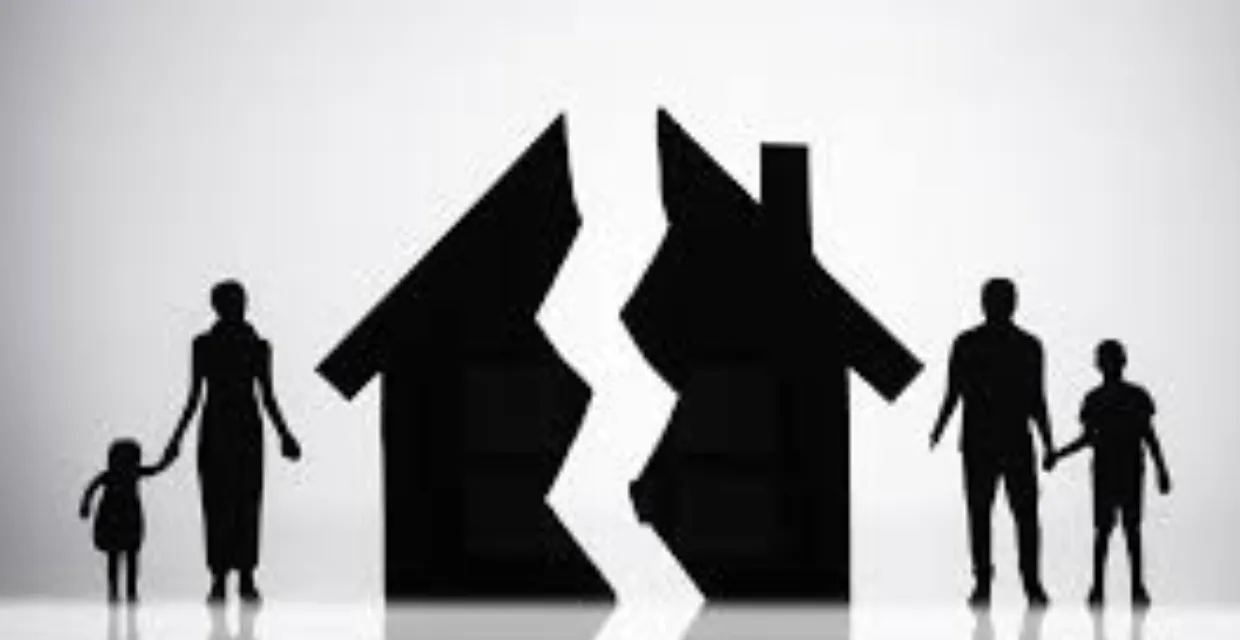
For many, divorce is not just the end of a marriage. It is the collapse of a future they once believed in. And yet, behind the pain, paperwork, and emotional exhaustion, divorce can also become the first honest step toward rebuilding a life that finally feels true.
Why Divorce Feels So Personal
Divorce is often discussed like a legal event, but emotionally, it feels much bigger.
It can feel like grief, failure, freedom, guilt, relief, fear — sometimes all in the same day. That is what makes it so difficult to explain to people who have never lived through it.
A marriage holds memories, routines, family expectations, shared finances, and dreams. When it breaks, people are not only separating from a partner. They are separating from a version of themselves.
According to CDC data, the U.S. recorded 672,502 divorces in 2023 across 45 reporting states and Washington, D.C., with a divorce rate of 2.4 per 1,000 population.
Those numbers may look clinical, but behind each one is a private story.
The Hidden Shock After Separation
Many people expect divorce to hurt. What they do not expect is how ordinary life suddenly becomes difficult.
The first grocery trip alone.
The empty side of the bed.
The school event where everyone notices.
The holiday that no longer has the same shape.
This is why divorce recovery is not just about “moving on.” It is about learning how to live again when familiar things feel unfamiliar.
The Emotional Stages Are Not Linear
There is no clean timeline for healing after divorce.
One day may feel peaceful. The next may bring anger, regret, or loneliness. That does not mean healing has failed. It means the mind is still processing a major life change.
Divorce often involves emotional grief similar to loss, especially when children, long-term memories, or financial pressure are involved.
Why This Matters Now
Divorce is changing.
Today, more people are questioning whether staying in an unhappy marriage is truly better than starting over. Conversations around mental health, emotional safety, financial independence, and co-parenting have made divorce less hidden than it once was.
In the UK, official data showed that in 2023, 74.2% of divorces were granted under newer no-fault divorce legislation, showing how legal and social attitudes toward separation are shifting.
This matters because divorce is no longer only seen as scandal or failure. For many, it is becoming a complicated but necessary decision to protect peace, identity, and emotional wellbeing.
The Hardest Part Is Often the Identity Shift
One of the most painful questions after divorce is simple:
Who am I now?
For years, someone may have been a husband, wife, partner, parent, provider, or caretaker. After separation, those roles may change quickly.
Friends may choose sides. Family may ask uncomfortable questions. Children may need reassurance. Finances may feel uncertain.
This is where rebuilding begins — not dramatically, but quietly.
Small Steps Matter More Than Big Promises
Healing after divorce often starts with small decisions:
Choosing a new routine.
Talking to someone trustworthy.
Creating financial clarity.
Protecting children from conflict.
Letting yourself rest without guilt.
These steps may look ordinary, but they rebuild emotional safety.
Divorce and Children: The Conversation That Matters Most
When children are involved, divorce becomes even more delicate.
The goal should never be to make children choose sides. They need stability, honesty, and reassurance that they are not responsible for the separation.
A calm co-parenting approach, when possible, can reduce emotional harm. Even when the relationship between parents is broken, respectful communication can help children feel secure.
The marriage may end, but parenting continues.
Can Divorce Become a New Beginning?
Yes — but not immediately.
At first, divorce may feel like survival. Later, it can become self-discovery.
Many people eventually realize they ignored their own needs for years. Some rediscover friendships, faith, creativity, career goals, or confidence they thought they had lost.
This does not erase the pain. It gives the pain meaning.
Final Takeaway
Divorce is not a simple ending. It is a deeply human turning point.
It can break routines, families, finances, and hearts. But it can also reveal strength that was hidden under years of compromise and quiet suffering.
Sometimes, the life you planned falls apart.
And sometimes, from that painful place, you begin building the life you actually need.