Manga Paper Magic: The Secret Behind Iconic Comic Art
Behind every unforgettable manga panel lies something most readers never notice — the paper itself. While characters, storylines, and inking styles often steal the spotlight, manga paper quietly shapes the depth, emotion, and clarity of every page. For aspiring artists and seasoned illustrators alike, understanding manga paper is more than technical knowledge — it’s a creative advantage.
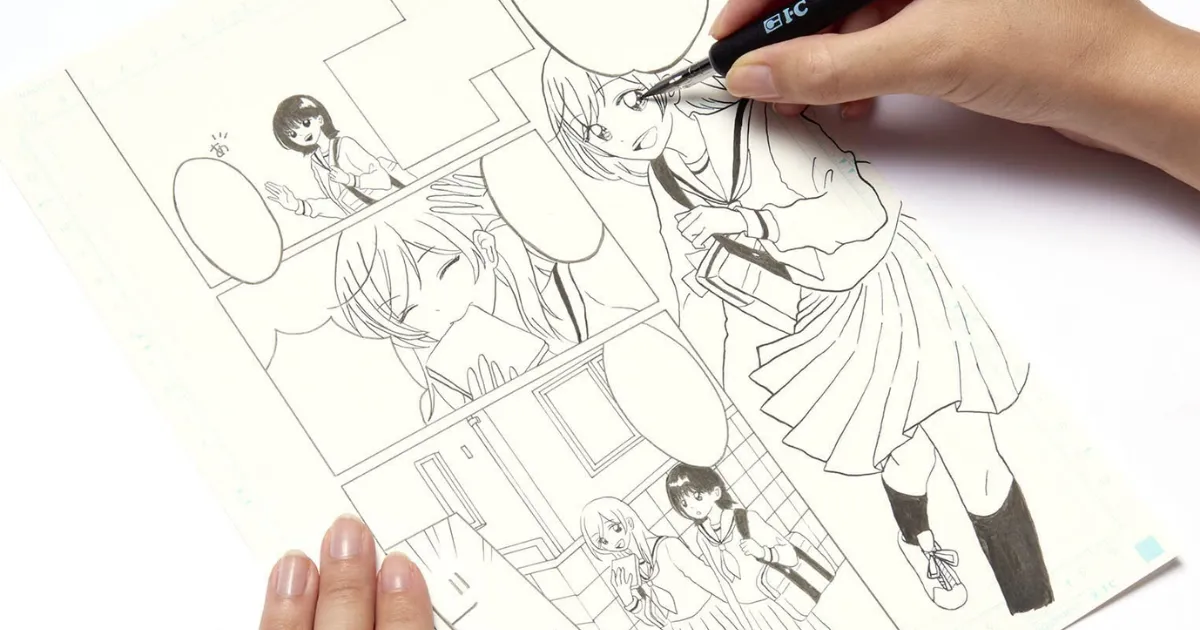
In the world of Japanese comics, especially legendary publications like Weekly Shōnen Jump, paper quality has played a surprisingly important role in how stories are experienced.
What Is Manga Paper?
Manga paper is a specialized drawing paper designed specifically for comic creation. Unlike ordinary sketch paper, it’s built to handle:
Dip pens and G-pens
Heavy inking
Screentone application
Fine line detailing
Traditionally used by professional manga artists in Japan, this paper typically features a smooth yet slightly textured surface that prevents ink bleeding while preserving crisp line work.
The most common size follows the B4 standard for professional submissions, though A4 versions are widely available for beginners and hobbyists.
Why Manga Paper Matters for Artists
1. Precision for Clean Line Art
Manga storytelling depends heavily on expressive line work. Whether it’s dramatic action scenes or subtle emotional close-ups, artists rely on razor-sharp ink lines. Manga paper minimizes feathering and smudging, ensuring clean, professional results.
2. Built-In Guidelines for Layout
Many manga papers come pre-printed with non-photo blue guidelines. These help artists structure panels, margins, and bleed areas properly — an essential feature for anyone submitting work to publishers.
Professional creators working toward serialization in publications like Weekly Shōnen Magazine often depend on these layout guides to meet strict formatting requirements.
3. Screentone Compatibility
Traditional manga art frequently uses adhesive screentones for shading and texture. Manga paper is thick enough to withstand cutting, repositioning, and layering tones without tearing — something regular paper struggles with.
Types of Manga Paper Available
Smooth Finish Paper
Best for detailed inking and sharp pen strokes. Ideal for artists using dip pens and technical liners.
Slightly Textured Paper
Offers subtle grip, helping control brush pens and softer shading techniques.
Digital-Ready Layout Paper
Some modern manga papers are optimized for scanning, reducing glare and ensuring high-resolution reproduction for digital publishing platforms.
Is Manga Paper Necessary in the Digital Era?
With tools like Clip Studio Paint and digital tablets dominating the industry, many artists question whether traditional manga paper still matters.
The truth? It absolutely does.
Even globally recognized creators like Eiichiro Oda, known for crafting one of the most successful manga series of all time, began their journey using traditional paper techniques. Mastering physical tools builds foundational skills in line control, composition, and pacing — skills that seamlessly translate into digital workflows.
For beginners, working on manga paper teaches discipline. For professionals, it offers unmatched tactile feedback that digital tools can’t fully replicate.
How to Choose the Right Manga Paper
When selecting manga paper, consider:
Paper weight (usually 110kg–135kg for durability)
Surface smoothness for your preferred pen
Pre-printed layout needs
Size compatibility with your scanner or workspace
If you’re serious about manga art, investing in quality paper is not an expense — it’s an upgrade to your craft.
Final Thoughts: The Foundation of Great Manga
Manga paper may seem like a simple tool, but it carries the emotional weight of every bold confession, epic battle, and silent tear captured in ink.
Great manga begins long before the first panel is drawn. It starts with the surface that holds the story together.