The Dress That Stopped the Internet
Picture this: Olivia Rodrigo twirling across a historic Barcelona stage in a floral puff-sleeved babydoll dress, bloomers peeking out, paired with bold knee-high boots. Her performance of “Drop Dead” feels joyful and free. Yet within hours, the comments flooded in—accusations of “infantilizing” herself, “pedo core,” and worse.
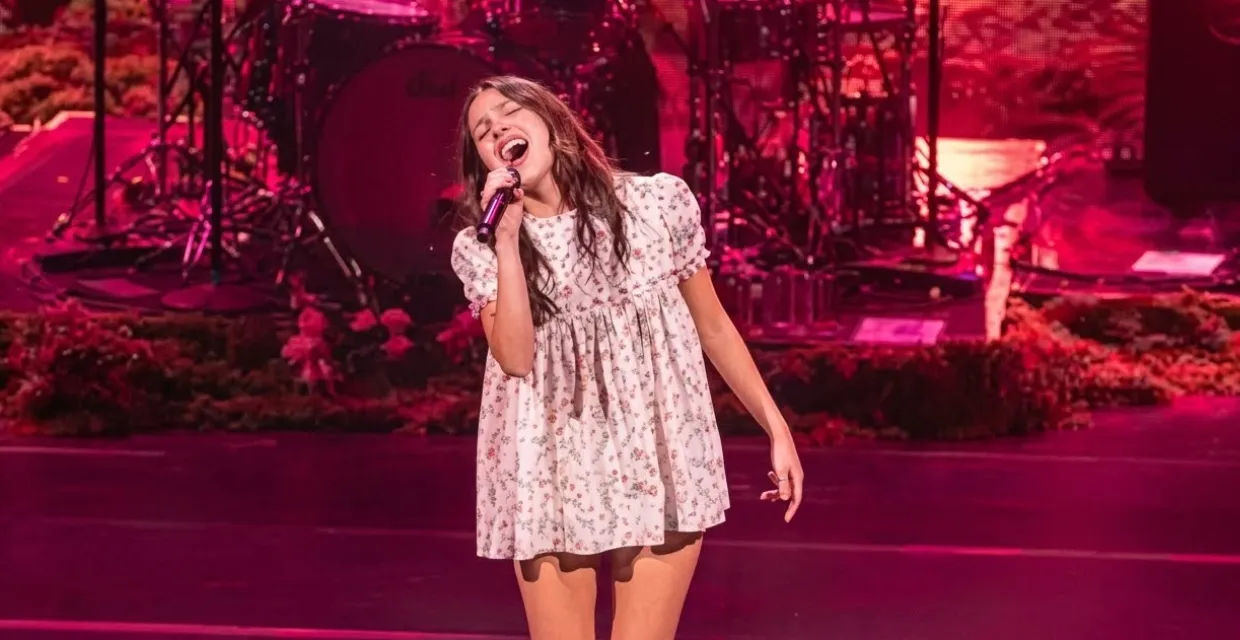
In a world quick to judge a young woman’s every choice, one dress became a lightning rod. But for Rodrigo, this wasn’t about shock value. It was personal, rooted in nostalgia, rebellion, and artistic vision for her upcoming album You Seem Pretty Sad for a Girl So in Love.
Why the Babydoll Dress Hits Different for Olivia
Olivia Rodrigo has never been afraid to wear her heart on her sleeve—or her influences on her body. For this new era, her Pinterest mood board overflowed with babydoll dresses and ’70s necklines. She wanted something “fun and laid-back,” drawing directly from her childhood heroes.
Think Courtney Love, Kat Bjelland of Babes in Toyland, and the riot grrrl movement of the ’90s. These women wore babydoll dresses not to look innocent, but to subvert it—pairing frilly sweetness with messy hair, combat boots, and raw anger. It was “kinderwhore” fashion: a deliberate clash that challenged how society packages femininity.
Rodrigo, raised on that vinyl-era rock spirit, saw power in the silhouette. In her “Drop Dead” music video, she floats through Versailles-like halls in a Chloé babydoll, barefoot and carefree. On her album cover, she swings in a pink Peter Pan collar version. It’s whimsical, yes—but also defiant.
The Backlash: When Clothing Becomes Controversy
The criticism came fast after her May 8 Spotify Billions Club performance in Barcelona. Some called the short floral dress inappropriate for her young fans. Others suggested it sexualized girlhood. The discourse turned dark quickly.
Rodrigo addressed it head-on in a New York Times Popcast interview. “That’s been making me so upset,” she shared. She pointed out the hypocrisy: she’d worn sparkly bras and tiny shorts before without the same uproar. Yet this fully covered, playful look drew fire.
Her response cut deeper: “It shows how we normalize pedophilia in our culture.” By assuming a grown woman in a sweet dress must be trying to look “sexy” or childlike, critics flip the script onto the wearer instead of questioning the gaze. “I didn’t think I looked sexy in that at all,” she clarified. “I felt like Kathleen Hanna or Courtney Love… I felt cool and comfortable.”
The History Behind the Hemline
Babydoll dresses didn’t start as pop star fodder. Originating in the 1950s-60s as lingerie-inspired nightgowns, they evolved. By the ’90s, punk and riot grrrl scenes reclaimed them as feminist armor—soft on the outside, revolutionary within.
Fashion historians note the silhouette has long triggered moral panic. Grown women in “little girl” clothes force us to confront our discomfort with femininity, agency, and sexuality. Olivia isn’t the first (or last) to face this. The conversation echoes past scrutiny of artists like Britney Spears or even modern peers.
Yet trends show babydoll dresses dominating 2026 spring/summer runways and street style—comfortable, feminine, and versatile for everyday wear. Rodrigo didn’t invent the look; she amplified its cultural conversation at exactly the right moment.
Why This Matters Now
In 2026, young women artists navigate impossible standards. Be vulnerable but not too fragile. Be sexy but not “asking for it.” Be authentic but never too much. Olivia Rodrigo’s babydoll era feels like a pushback—a reminder that women can define their own aesthetic without it being dissected through a predatory lens.
Her music has always captured the messy realities of heartbreak, anger, and growth. This fashion choice aligns perfectly: blending innocence with edge, nostalgia with now. It’s not regression—it’s reclamation.
Fans defending her highlight a generational shift. Gen Z and younger see through the double standards. They want artists who feel real, not polished into unattainable perfection.
The Takeaway: Wear What Feels Like You
Olivia Rodrigo’s babydoll dress isn’t just fabric—it’s a statement about autonomy in the spotlight. Whether you love the look or find it polarizing, her response invites us all to reflect: Why does a woman’s clothing choice still spark such intense debate? Why do we project so much onto bodies that aren’t ours?
As she prepares to drop new music, one thing is clear: Rodrigo continues evolving on her terms. Sweet, sharp, unapologetic. In a culture that often tries to shrink women, she’s choosing to twirl anyway.
Next time you reach for that flowy mini or frilly top, remember her words. Dress for the version of yourself that feels powerful. The internet may talk—but your comfort and joy speak louder.
What do you think of Olivia’s babydoll moment? Share in the comments. Fashion should liberate, not divide.