The name Rehman Dakait still sends a chill through Karachi’s streets, especially in Lyari, where fear and fascination around him live side by side.
To some he was a brutal gangster; to others, a protector born from a system that forgot its own people.
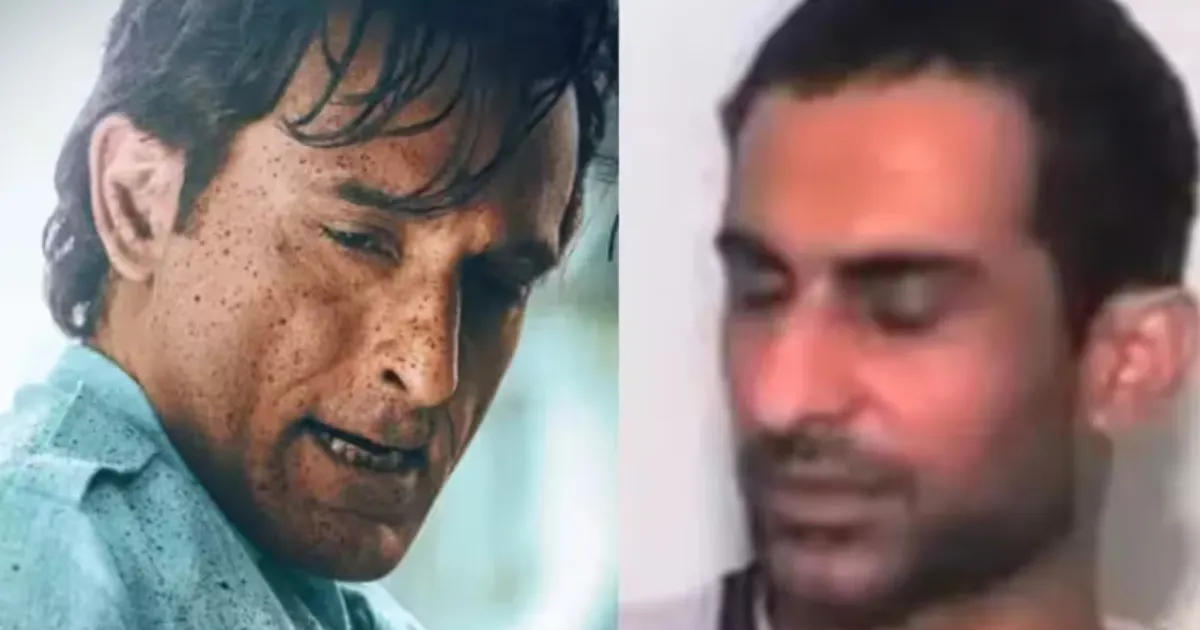
Behind the headlines and police encounters lies a painful question: how does a boy from a neglected neighborhood grow into a symbol of both terror and twisted hope?
Who Was Rehman Dakait, Really?
Rehman Dakait, born Sardar Abdul Rehman Baloch, emerged from Lyari, one of Karachi’s oldest and most marginalized neighborhoods.
Lyari’s cramped lanes, chronic poverty, and lack of opportunities created the perfect breeding ground for gangs, drug networks, and parallel power structures.
In this harsh world, Rehman did not just join crime; he rose through it.
He became known for alleged involvement in murders, extortion, kidnappings, and the drug trade, turning his name into a dark legend whispered more than spoken.
Lyari’s Wounds: Why a Gangster Became a “Leader”
To understand Rehman Dakait, you have to understand Lyari.
For decades, promises of development rarely turned into reality, and ordinary people were left to negotiate daily survival without protection or justice.
In that vacuum, men with guns became decision-makers.
Rehman and his gang controlled streets, settled disputes, and, in some cases, even provided money and “jobs” to young boys who saw no other future.
That is the emotional paradox of Rehman’s story: the same man accused of terrifying violence was also seen by some locals as the only person who paid attention to them.
When the state is absent, even a gangster can start to look like a savior.
From “Dakait” to Power Broker
Over time, Rehman tried to reshape his image from street criminal to political actor.
He began using his full name, Abdul Rehman Baloch, and leaned on his tribal identity and influence.
He became associated with the Peoples’ Aman Committee, a group that presented itself as a peace and community structure in Lyari.
Supporters claimed it reduced gang wars and gave local residents a stronger voice, while critics saw it as an organized extension of the same underworld.
This shift from pure outlaw to power broker shows how crime and politics often overlap in places where institutions are weak.
Rehman’s life became a case study in how easily the line between “gang leader” and “community leader” can blur when people are desperate for security.
The High Price of Power
No matter how powerful Rehman became, his world was built on violence.
Police cases, rivalries, and gang wars followed him constantly, and the cost was paid by ordinary residents, including children who grew up hearing gunshots like a nightly routine.
Eventually, his story ended as many such stories do: in an encounter, surrounded by controversy, questions, and conspiracy theories.
Some believed justice had been done; others felt a chapter was closed without the truth fully told.
But the deeper tragedy is that even after his death, many of the problems that created him—poverty, unemployment, political neglect—remained.
Take away one Rehman Dakait, and another is always waiting in the shadows of the same broken system.
Why This Matters Now
Rehman Dakait’s story is not just about one gangster; it is a mirror held up to South Asian megacities where margins are growing wider every year.
When young people see no path except crime or migration, the underworld starts to look like a career, not a last resort.
Today, as Karachi and other cities still battle gang violence, drugs, and disenfranchised youth, his legacy is a warning.
If governments continue to neglect neighborhoods like Lyari, they are not just ignoring a community—they are quietly authoring the next generation of “Rehman Dakaits.”
For readers, especially those far from Karachi, this story matters because it asks a universal question: what happens to society when entire neighborhoods feel disposable?
The answer will decide whether the next famous name we hear belongs to a leader who inspires hope, or another man whose power grows out of fear.
Final Takeaway
Rehman Dakait’s life forces us to look beyond headlines and ask uncomfortable questions about justice, inequality, and responsibility.
He was not a hero—but he was also not created in a vacuum.
If we want fewer gangsters and more genuine leaders, the starting point is simple but hard: invest in forgotten places, listen to ignored voices, and give young people something more powerful than fear—hope.